WorldPath AIWORLDPATH•AI
Americas

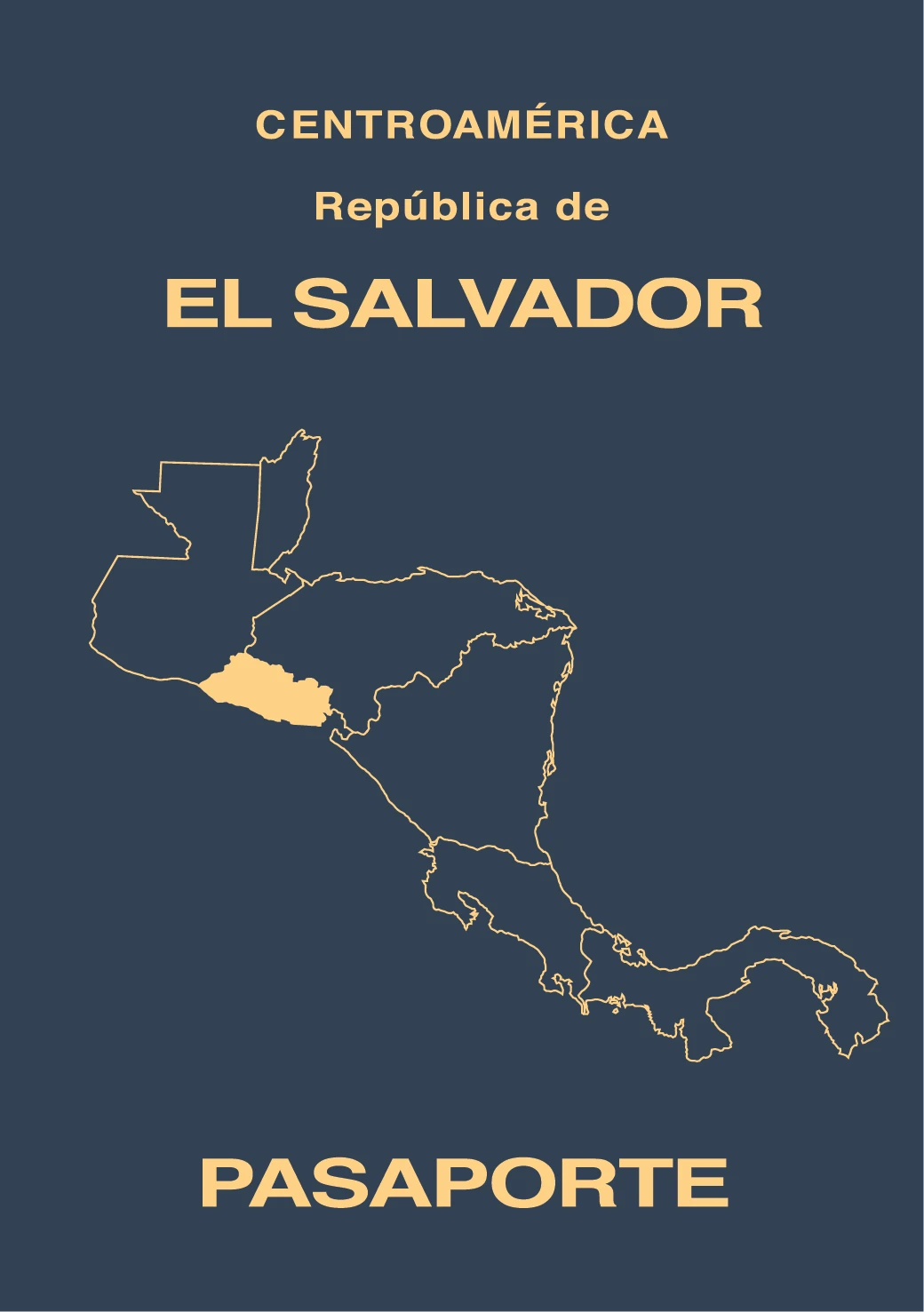
El Salvador Passport

Ranked #38 Globally

The El Salvador passport is a mid-tier travel document with a few stand-out features. In 2026 it ranks #38 in the world and lets holders enter 134 countries and territories without a prior visa, or with a quick visa-on-arrival. That list includes Europe's (the borderless travel zone covering most of the continent), Japan, Singapore, Hong Kong, Russia, and almost all of Latin America. El Salvador uses the US dollar as its currency, which removes exchange-rate risk for holders who earn or save in dollars. The country allows dual citizenship, so new Salvadorans need not give up their original nationality. Naturalisation normally takes five years, but Spanish and Hispanic-American nationals qualify after one. A separate paid route grants citizenship to large investors. The main gaps are the United States, Canada, and Australia, which each require a visa.

36th
Global Ranking
132
Destinations
65.34
Mobility Score
El Salvador Passport - Passport Power 36th | worldpath.ai WRI

El Salvador Passport Global Mobility Context

The strength of this passport is built on Europe and Latin America, not on a wide global reach. El Salvador ranks #36 worldwide in 2026 with 132 destinations open visa-free or on arrival. That places it mid-table, ahead of most of its Central American neighbours but behind the top European and Asian documents.

Europe is the headline benefit. Holders enter the (the borderless zone covering most of the continent) for 90 days in any 180-day period, covering France, Germany, Spain, Italy, and the Nordic countries. Russia is open for 90 days too, which adds a large country to the list. Across Latin America the passport moves freely, helped by membership of (the Central American Integration System).

The document meets modern security rules. El Salvador has issued a biometric ePassport since 2006, an early move in Central America. The chip follows the international (International Civil Aviation Organization) standard, the rulebook airports use to read chips at electronic gates, and it stores the holder's photo and details to make forgery harder.

A less obvious strength is the currency. El Salvador adopted the US dollar in 2001, so the country runs on dollars. For a holder who earns or saves in dollars, that removes the exchange-rate risk of most second passports.
El pasaporte ordinario tiene una vigencia de seis (6) anos a partir de la fecha de su expedicion.

El Salvador Passport at a Glance

Global rank (2026)

#36 worldwide in 2026, a mid-tier position shared with several Eastern European and Caribbean states. The rank counts how many places a holder can enter without arranging a visa in advance.

Visa-free destinations

132 countries and territories visa-free or with visa-on-arrival in 2026, including the 29-nation , Japan, Singapore, Hong Kong, Russia, and most of Central and South America.

Document type

Biometric ePassport with an electronic chip that stores the holder's photo and data. El Salvador has issued chip passports built to international standards since 2006.

Page count

Standard booklet of 48 pages, a generous count that suits frequent travellers who collect many entry and exit stamps before needing a renewal.

Languages

Spanish and English on the data page. Printing the details in English as well as Spanish helps border officers worldwide read the document without translation.

Adult validity

Six years from the date of issue for the ordinary passport, after which the holder reapplies. The current government fee is USD 25 for a first passport or a renewal.

Child validity (under 16)

Six years, the same term El Salvador applies to the ordinary passport for adults. A child must reapply once the booklet expires or fills with stamps.

Dual citizenship

Allowed. Article 91 of the 1983 Constitution lets Salvadorans hold another nationality, so new citizens are not asked to renounce the passport they already have.

Issuing authority

The Ministry of Foreign Affairs (Ministerio de Relaciones Exteriores) issues the passport; the General Directorate of Migration (Direccion General de Migracion y Extranjeria) handles applications inside the country.

History

El Salvador has been independent since 1841 and began issuing biometric chip passports in 2006, making it an early adopter of the electronic document in Central America.

El Salvador Passport Visa-Free Destinations by Region

Regional Mobility

Economic Mobility Score: 65.34%Country GDP: 0.0354%
Visa Exceptions
Europe is the strongest region (the Schengen Area at 90 days), though a paid ETIAS form is planned from late 2026 and the United Kingdom still requires a visa. The Americas score is high across Latin America, but the United States and Canada both require a visa.

An El Salvador passport reaches 132 destinations in 2026 without a prior visa or with a visa issued on arrival. The destinations holders ask about most are Europe's , Japan, Singapore, Hong Kong, and the rest of Latin America, all of which are open. The biggest gaps are the United States, Canada, and Australia, which each require a visa arranged before travel, and the United Kingdom, which also asks Salvadorans for a visa.

Americas

Travel across the Americas is wide, with two large exceptions. Salvadorans move freely through most of Central America thanks to the agreement, which lets citizens of El Salvador, Guatemala, Honduras, and Nicaragua cross shared borders with only an identity card. South America is almost fully open: Brazil, Argentina, Chile, Colombia, Peru, and Ecuador admit holders without a visa, usually for 90 days. Much of the Caribbean is reachable on arrival. The clear exceptions are the United States and Canada, both of which require a visa applied for in advance, so the two largest North American economies sit outside the passport's free range.

Europe

Europe is where this passport earns most of its rank. Holders enter the Schengen Area, the 29-country borderless zone, for up to 90 days in any 180-day period without a visa, which covers nearly every European Union member plus Switzerland, Norway, and Iceland. From late 2026 the European Union plans to require (European Travel Information and Authorisation System) for visa-free visitors, including Salvadorans. ETIAS is a paid online form costing about 20 euros, valid for up to three years, and is a quick pre-screening rather than a visa. The standout exception is the United Kingdom, which left the European Union and still requires Salvadorans to obtain a visa before arrival.

Asia-Pacific

Asia gives the passport some of its most valuable long-haul access. Japan admits Salvadorans for 90 days without a visa, and Hong Kong allows 90 days, two of the region's major hubs. Singapore grants 30 days visa-free. Several Southeast Asian destinations, such as the Philippines and Malaysia, are open visa-free or on arrival. The clear gaps are mainland China, which requires a visa for most visits, and Australia and New Zealand, which both need an online authorisation arranged before travel. The Pacific is therefore reachable but takes paperwork first.

Middle East

Coverage here is partial and best checked before each trip. Several destinations, including Israel, admit Salvadorans without a visa, while a number of Gulf states grant a visa on arrival or a quick electronic visa. Others still ask for a visa arranged in advance. Because entry rules in this region change often and can depend on the purpose of the trip, holders should confirm the current requirement with the destination before booking rather than relying on a fixed list.

Africa

Africa is mostly a visa-on-arrival region for this passport. A good number of destinations popular for tourism and safari, such as Kenya, Tanzania, and Morocco, issue a visa on arrival or accept an electronic visa applied for online before the trip. Fully visa-free entry with no form is less common across the continent. As in the Middle East, requirements shift frequently, so the safe approach is to confirm the rule for the specific country and travel date well ahead of departure.

Offshore Jurisdictions

Holders reach several of the Caribbean and Atlantic territories that matter for tourism and regional business. Destinations such as the British Virgin Islands and other Caribbean islands admit Salvadorans for short stays, and parts of Central America's coastline are effectively local travel. Because El Salvador sits within the wider Latin American and Caribbean region, much of this network is close to home, which makes short trips for leisure or family simpler than for holders of a passport based far away.

Where a Visa Is Still Required

  • United States - a visa must be applied for in advance; there is no visa-waiver arrangement for Salvadoran citizens.
  • Canada - a visitor visa is required, though holders with a valid US visa or prior Canadian visa may qualify for the simpler electronic travel authorisation.
  • United Kingdom - a visitor visa is required for Salvadorans, arranged online before travel.
  • Australia and New Zealand - entry must be arranged in advance through each country's online visa or travel-authorisation system.
  • Mainland China - a visa is required for most visits, with only narrow visa-on-arrival options for specific cities.

How to Get a El Salvador Passport

1

Get Legal Residence

The standard path to an El Salvador passport begins with legal residence, because the passport is issued only to citizens and most people become citizens after living in the country. There is no language test to enter, but an applicant must hold lawful residence before the clock toward citizenship can start.

Residence is granted for work, family ties, investment, or retirement with a stable income. A foreign national applies through the General Directorate of Migration and Foreigner Affairs (Direccion General de Migracion y Extranjeria), the government body that manages immigration, submitting identity documents, a clean police record, and proof of how they will support themselves.

El Salvador uses the US dollar as its currency, so income and investment figures are counted directly in dollars with no conversion. Once residence is approved, the holder can live in the country and begin building the time needed to qualify for citizenship by naturalisation.

2

Build Residency History

The waiting period depends on where the applicant is from. The general rule is five years of residence in El Salvador before applying for citizenship. This is the standard route for a national of a country outside the Spanish-speaking world.

Two large groups qualify much faster. Nationals of Spain and of Hispanic-American countries (the Spanish-speaking nations of the Americas) may apply after just one year of residence. Citizens of the other Central American states that once formed a regional federation can claim Salvadoran nationality by a simple declaration once they live in the country, the fastest route of all.

Marriage shortens the wait too. A foreign national married to a Salvadoran may apply after two years of residence. Across all routes the applicant must be at least 18, hold a clean criminal record at home and abroad, and intend to settle rather than visit.

3

Apply for Citizenship

Once the residence period is complete, the applicant files for naturalisation and swears a loyalty oath to El Salvador. The file includes proof of continuous residence, identity, and civil-status documents, and police certificates showing no criminal record in El Salvador or abroad.

El Salvador allows dual citizenship under Article 91 of its Constitution, so a successful applicant is not required to give up their original nationality. This makes the Salvadoran passport an addition to an existing one rather than a replacement, provided the applicant's home country also permits dual nationality.

There is also a separate paid route. Launched in December 2024, the government has run the Adopting El Salvador Freedom Visa, which grants citizenship to a person who donates USD 1 million to the state in Bitcoin (, a digital currency) or US-dollar Tether (, a digital token tied to the dollar). The programme is capped at 1,000 approvals each year and skips the residence requirement entirely.

4

Apply for the Passport

With citizenship confirmed, the new Salvadoran applies for the passport itself. Applications inside the country go through the General Directorate of Migration and Foreigner Affairs (Direccion General de Migracion y Extranjeria); Salvadorans abroad apply at an embassy or consulate. The step captures the holder's photo and the biometric data stored on the passport chip.

The passport issued is a biometric ePassport. Its chip follows the international (International Civil Aviation Organization) standard, the rulebook airports use to read passport chips at electronic gates, and El Salvador has issued this electronic document since 2006. The data page is printed in Spanish and English.

The ordinary passport is valid for six years and contains 48 pages. The current government fee is USD 25 for a first issue or a renewal, low by international standards. Renewal is a straightforward reapplication near the expiry date or once the booklet runs out of blank pages.

Comparison of El Salvador Passport With Other Top Passports

Passport

Rank

Visa-free

Key edge

Singapore Passport

#1

192

Strongest passport in 2026 - the global mobility benchmark

France/Italy/Spain Passports

#4

185

European Union citizenship - the right to live and work across 27 states

Portugal Passport

#5

184

Residence-then-citizenship path in Europe that takes years

United States Passport

#10

179

Largest economy and trading partner that still requires a visa

The El Salvador passport is best understood against three groups: the strongest passports in the world, the European documents that grant the right to live and work across a whole bloc, and large economies that still require a visa from Salvadorans. It holds its own on travel but offers no settlement rights abroad.

Versus the strongest passports. The top-ranked passport in 2026 reaches about 190 destinations, against 132 here. The gap is real but not enormous for travel; a Salvadoran can still reach Europe, Japan, and most of Latin America without a visa. The sharper difference is the United States and Canada, which the strongest passports enter freely and the Salvadoran passport cannot.

Versus the European Union top tier. A passport from France, Italy, or Spain does two things this one does not: it reaches around 185 destinations and, more importantly, it grants the right to live, work, and study in any of the 27 European Union member states. The Salvadoran passport allows 90-day visits to Europe's but no right to settle, so for someone whose goal is to build a life in Europe it is not a substitute.

Versus a large economy that still needs a visa. The United States is El Salvador's largest trading partner and home to a big Salvadoran community, yet the passport does not open it; a US visa must be arranged in advance. This is the single most-felt limit of the document, because so much family and business travel runs north.

Pros and Cons of the El Salvador Passport

Pros7 strengths
Cons7 frictions
  • 01Standing
    Runs on the US Dollar With No Exchange Risk
    El Salvador adopted the US dollar as its currency in 2001. A holder who earns, saves, or invests in dollars faces no exchange-rate risk at home and far simpler banking than with most second passports.
    US dollar
  • 02Mobility
    Visa-Free to Europe's Schengen Area
    Salvadorans enter the 29-country Schengen Area for 90 days in any 180-day period, covering France, Germany, Spain, Italy, and the Nordic states - the core of European business and leisure travel.
    Schengen 90d
  • 03Rights
    Dual Citizenship Allowed With No Renunciation
    Article 91 of the 1983 Constitution lets Salvadorans hold another nationality, so new citizens keep their original passport rather than trading it in.
    Dual OK
  • 04Standing
    Sharp Fall in Violent Crime Since 2019
    The reported homicide rate fell from 53 per 100,000 people in 2018 to about 1.36 in 2025, one of the steepest declines recorded anywhere and a major change for residents and visitors.
    Safer
  • 05Eligibility
    Fast Naturalisation for Spanish and Latin Americans
    Nationals of Spain and Spanish-speaking American countries may apply for citizenship after one year of residence, against five years for everyone else. Central Americans can claim it by declaration.
    1-year track
  • 06Mobility
    Strong Latin American and Asian Reach
    Ranked #36 worldwide with 132 destinations, the passport opens almost all of Latin America plus Japan, Singapore, Hong Kong, and Russia without a prior visa.
    134 dest.
  • 07Cost
    Low Passport Fee and a 48-Page Booklet
    The government charges USD 25 for a first passport or renewal, low by international standards, and the booklet holds 48 pages for stamps - generous for frequent travellers.
    USD 25
  • 01Standing
    Bitcoin Policy Reversed Under the IMF Deal
    Bitcoin (BTC) was legal tender from 2021, but a January 2025 law made acceptance voluntary and barred it for taxes, a condition of a USD 1.4 billion International Monetary Fund (IMF) loan. The policy has been unstable.
    BTC shift
  • 02Mobility
    No Visa-Free Access to the United States
    The United States requires a visa applied for in advance. Given the size of the Salvadoran community and trade in the US, this is the passport's most-felt limit.
    No US visa-free
  • 03Cost
    Investor Citizenship Costs USD 1 Million
    The Adopting El Salvador Freedom Visa grants citizenship for a USD 1 million donation in Bitcoin or dollar Tether. That price is far above most Caribbean investor routes, putting the fast track out of reach for most.
    USD 1M route
  • 04Rights
    No Right to Live or Work in Europe
    Visa-free entry to the Schengen Area allows visits only. Unlike a European Union passport, this document grants no right to settle, work, or study long-term anywhere in Europe.
    No EU rights
  • 05Mobility
    Mid-Tier Reach Behind Top Passports
    At 132 destinations the passport trails the strongest documents, which reach about 185 to 190. Canada, Australia, and the United Kingdom all require a visa, narrowing options for some travellers.
    Mid-tier
  • 06Standing
    Rights Concerns Under the State of Exception
    A state of exception in force since March 2022 has led to approximately 91,000 arrests and documented due-process and human-rights concerns, which affects the country's broader rule-of-law standing.
    Rule of law
  • 07Mobility
    Europe Adds a Paid Pre-Travel Form
    From late 2026 the European Union plans to require ETIAS, a paid online authorisation costing about 20 euros, for visa-free visitors. It is a quick form rather than a visa, but adds a step and a fee before travel.
    ETIAS 2026

Dual Citizenship and the El Salvador Passport

El Salvador permits dual and multiple citizenship. Article 91 of the 1983 Constitution lets a Salvadoran hold the nationality of another country, provided that country also allows it. A person who naturalises, or who is granted citizenship through the investor route, is not asked to renounce the passport they already hold.

The practical rule at borders. A dual citizen chooses which passport to show when crossing a border. Many holders use the Salvadoran passport for visa-free trips to Europe and Latin America and their other passport elsewhere. There is no duty to tell either government which document was used for a particular journey.

The tax angle. El Salvador taxes income earned inside the country and largely leaves foreign income alone, and holding the passport does not by itself create a Salvadoran tax bill. A Salvadoran who remains a tax resident elsewhere, however, keeps filing and paying under that other country's system. Citizenship here does not switch off an existing tax duty abroad, so professional advice matters before treating the passport as a planning tool.

Keeping the status. Once granted, citizenship is generally held for life and passes to children under the country's nationality law. Citizenship obtained through the investor route can in principle be reviewed if it was gained through fraud, which is why the background check at the application stage is thorough.

Final Assessment

The El Salvador passport is a solid mid-tier document with a distinct profile. It ranks #36 worldwide in 2026 with 132 visa-free or visa-on-arrival destinations. Its strongest cards are visa-free entry to Europe's , deep access across Latin America and useful Asian hubs such as Japan and Singapore, a dollar-based economy that removes exchange-rate risk, and a constitution that allows dual citizenship. For Spanish and Latin American nationals, the one-year route to naturalisation is unusually fast.

The limits are equally clear. The passport gives no visa-free entry to the United States, Canada, the United Kingdom, or Australia, and no right to live or work anywhere in Europe. The headline-grabbing investor route costs USD 1 million, far above most second-citizenship options. Bitcoin policy has swung from mandatory legal tender in 2021 to voluntary use in 2025 under an International Monetary Fund loan, and a long-running state of exception has drawn human-rights concerns. For a Spanish or Latin American national seeking a fast, dual-citizenship-friendly second passport with strong regional travel and a dollar base, it is a strong fit; for someone whose priority is North America, Europe, or policy stability, it is not the right tool.

El Salvador Passport FAQ

Which countries can I visit visa-free with an El Salvador passport in 2026?

The 132 visa-free or visa-on-arrival destinations include the full 29-country Schengen Area (90 days), Japan (90 days), Singapore (30 days), Hong Kong (90 days), Russia, Brazil, Argentina, Chile, Colombia, and most of the Caribbean. The United States, Canada, the United Kingdom, Australia, and mainland China all require a visa arranged in advance — the passport's most material gaps for business and family travel.

Does the El Salvador passport give access to the United States without a visa?

No. The United States requires Salvadoran citizens to apply for a B-1/B-2 visitor visa in advance; there is no visa-waiver arrangement in place. However, El Salvador joined the US Global Entry programme in January 2025, meaning Salvadoran passport holders — including Freedom Visa recipients — can apply for expedited CBP screening on arrival, a benefit no Caribbean citizenship-by-investment passport currently offers.

How much does it cost to get El Salvador citizenship by investment?

The Adopting El Salvador Freedom Visa requires a non-refundable $1,000,000 contribution in Bitcoin or USDT to government development funds. The application fee is $999 per main applicant, plus $999 per dependent. Total all-in cost runs approximately $1,005,000 for a single applicant and $1,008,000–$1,050,000 for a family of four. The programme is capped at 1,000 approvals per year.

Does El Salvador allow dual citizenship?

Yes. El Salvador fully permits dual and multiple citizenship for citizens by birth under Article 91 of the 1983 Constitution. Freedom Visa recipients are legally classified as citizens by birth (Legislative Decree N° 286), so they retain all rights to hold other passports. US, UK, and EU nationals can acquire Salvadoran citizenship without affecting their existing status. Citizens of countries prohibiting dual nationality (e.g., China, UAE) should verify their home country's rules.

How fast can I get an El Salvador passport through investment?

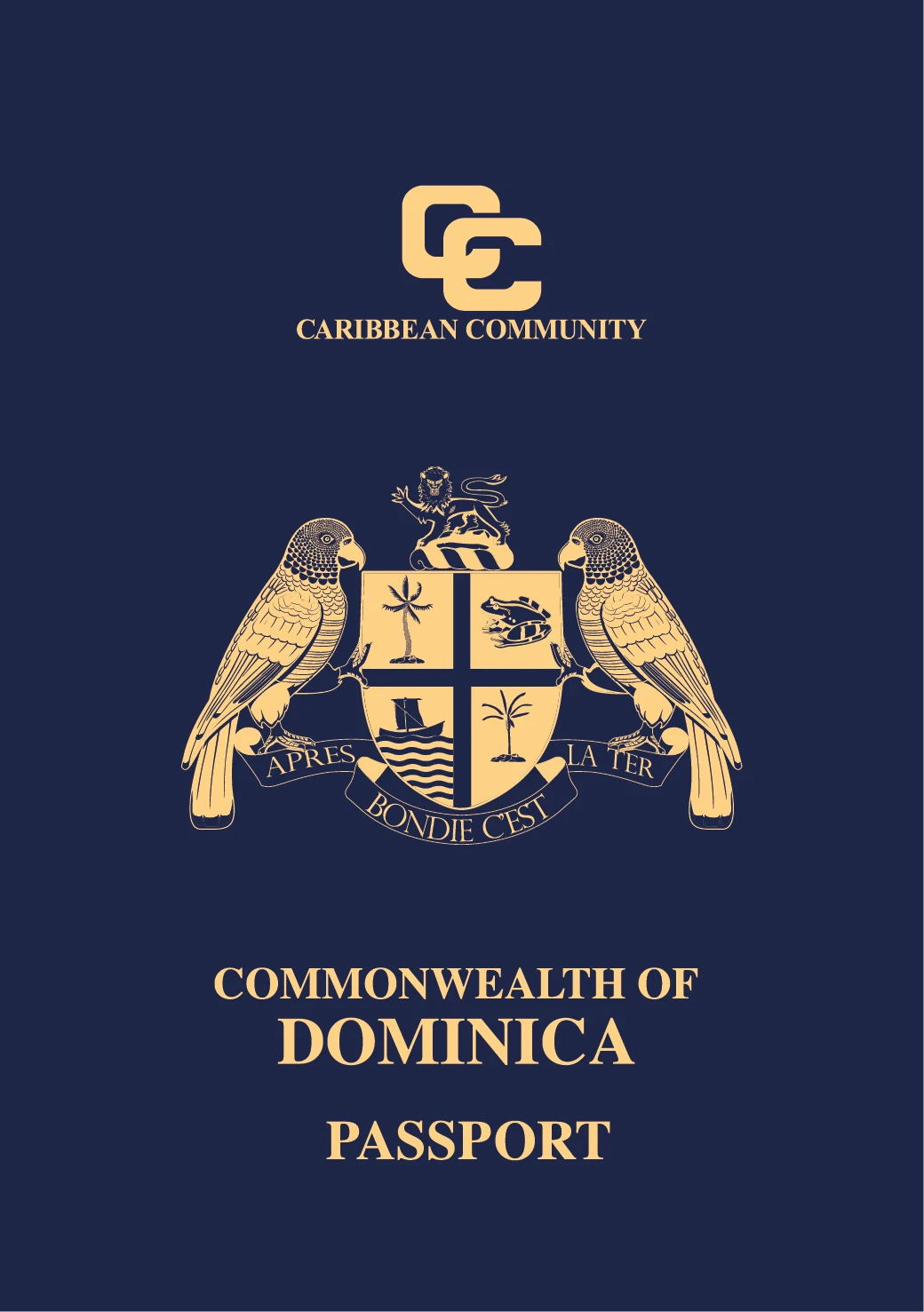
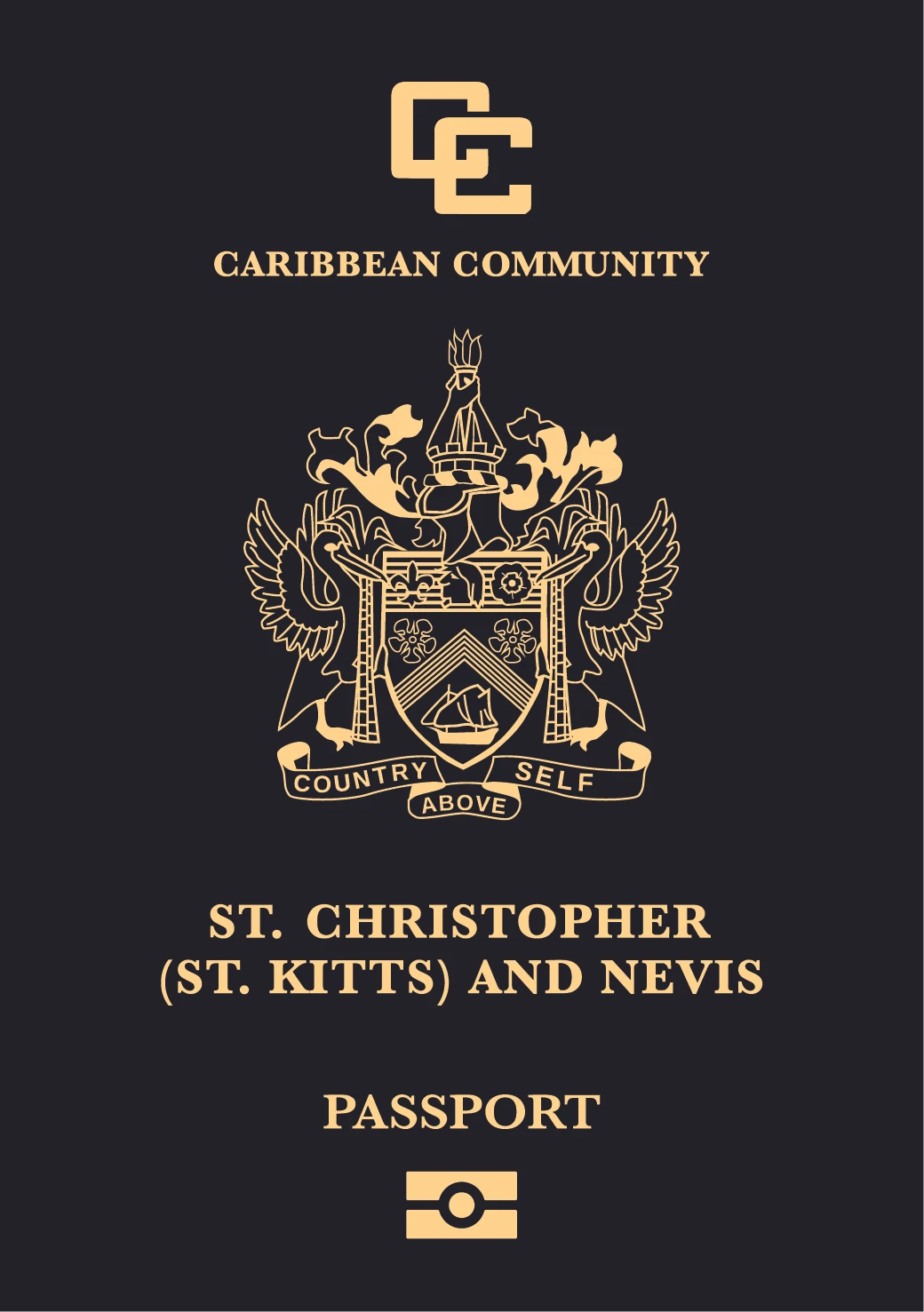
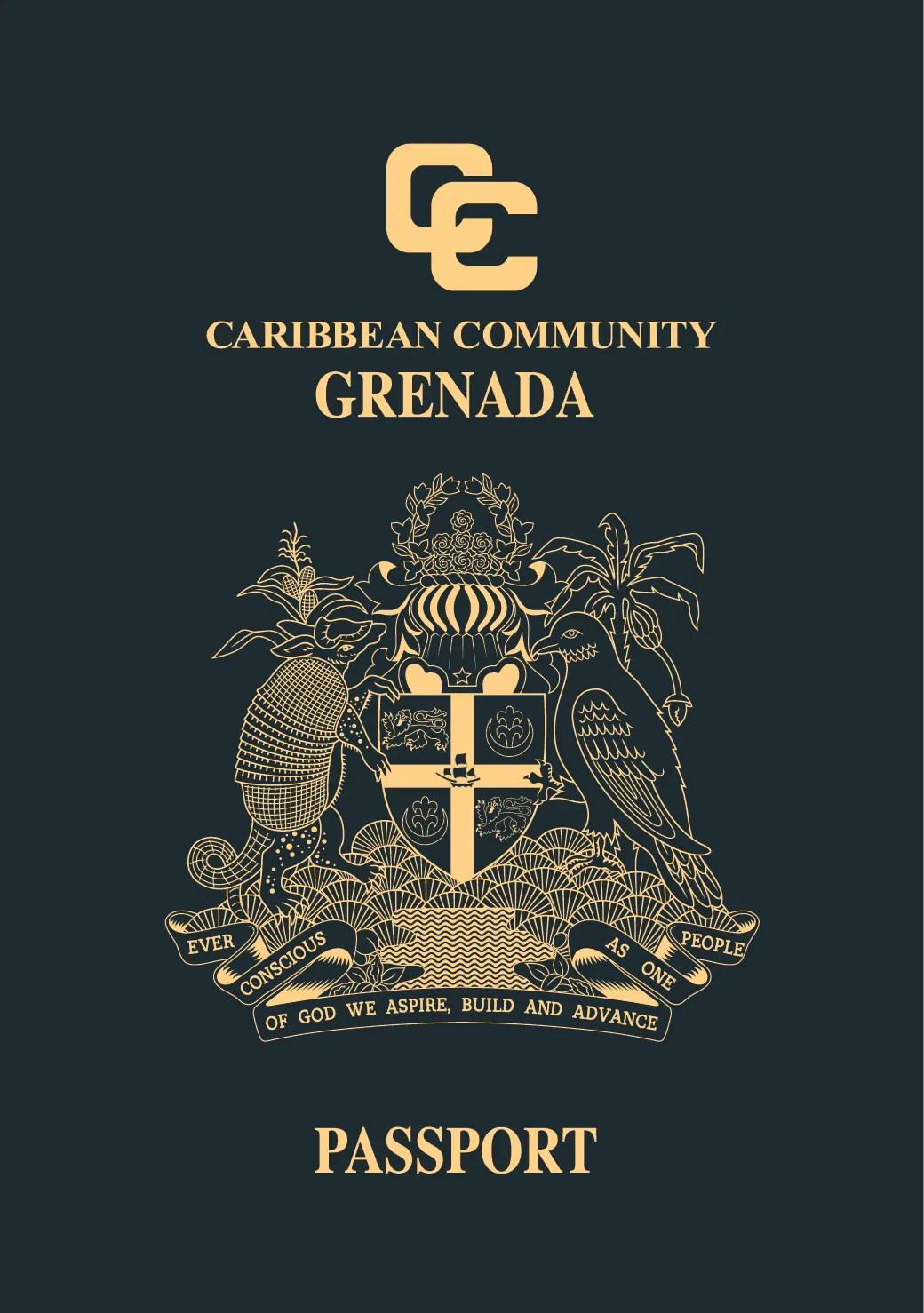
The Freedom Visa is the fastest citizenship-by-investment route in the world. The full process — from application submission through due diligence, citizenship grant, and passport issuance — takes 2-4 months under standard processing conditions. By comparison, Caribbean programmes such as St. Kitts and Nevis or Grenada typically run 4–15 months. No prior residency in El Salvador is required before or after approval.

Is the El Salvador Freedom Visa worth $1 million?

It depends on your profile. At $1M for 134 destinations, the cost-per-destination (~$7,400) is higher than Caribbean alternatives like Dominica ($200K, 143 destinations) or St. Kitts ($250K, 153 destinations). However, no Caribbean passport offers: zero capital gains tax on crypto, US Global Entry eligibility, visa-free Japan access, 2-year fast-track to Spanish/EU residency for Hispano-Americans, and 4–6 week processing. The Freedom Visa targets crypto-wealthy individuals who prioritize speed, tax optimization, and Bitcoin alignment.

What are the tax advantages of holding an El Salvador passport?

El Salvador applies strict territorial taxation: only income generated inside the country is taxable. Foreign pensions, dividends, capital gains, and royalties are fully exempt regardless of residence status. Bitcoin capital gains for individuals remain tax-free even after the February 2025 IMF-driven reform. There is no inheritance tax, no wealth tax, and no gift tax — making the Salvadoran passport particularly attractive for crypto-wealthy individuals and internationally mobile investors.

How does the El Salvador passport compare to Caribbean CBI passports?

El Salvador ranks 36 globally with 132 destinations — broadly comparable to Grenada (147 destinations, rank around 31) and below St. Kitts and Nevis (156 destinations). The Freedom Visa costs $1,000,000 against $200,000–$250,000 for most Caribbean programmes. The El Salvador passport's differentiators are 0% capital gains tax on Bitcoin, US Global Entry eligibility, and the world's fastest CBI processing at 6–8 weeks — advantages no Caribbean programme matches.