WORLDPATHWORLDPATH•AI
Asia-Pacific

Singapore Passport

Ranked #1 Globally

Explore the Singapore passport strength, visa-free access to 192 destinations, and global mobility ranking.

1st
Current Ranking
192
Destinations
92.4
Mobility Score
6th
Passport Power
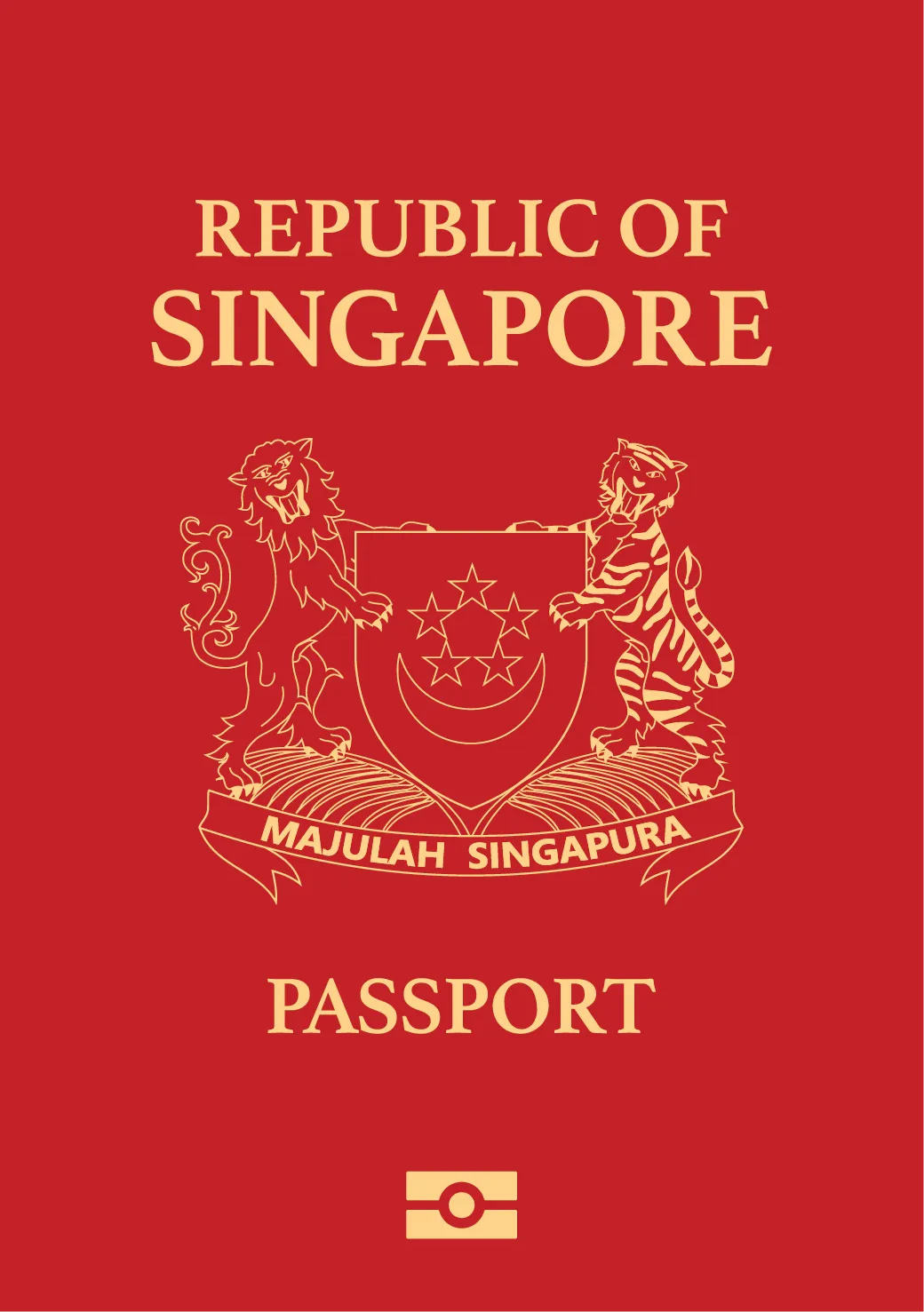
Singapore Passport Cover

Geopolitical Value

As of April 2026, the Singapore passport ranks 1st on the Henley Passport Index with visa-free or visa-on-arrival access to 192 destinations — the broadest travel freedom of any document issued by any country on earth. Singapore has held the top or joint-top position on the Henley index continuously since 2019, consolidating a 20-year climb that began in the early 2000s. On the Arton Capital Passport Index, Singapore ranks 2nd with a Mobility Score of 175. The UAE ranks 1st on Arton with 181 destinations, reflecting a methodology that weights different visa categories differently. Both indices agree on one fundamental point: the Singapore passport is the gold standard of global mobility.

What makes the Singapore passport's dominance geopolitically significant is its issuing authority. Singapore is a non-NATO, ASEAN-aligned city-state that has built its passport strength entirely through diplomatic architecture — 40+ bilateral free trade agreements, ASEAN membership, and a foreign policy of calculated neutrality. Unlike the US or UK, whose passport strength has declined from former peaks, Singapore's trajectory is upward, adding 14 visa-free destinations over the past decade.

Practical Advantages

Singapore passport holders enjoy unrestricted visa-free access to every major economic bloc on the planet. This includes the 27 EU/Schengen states (90 days per 180 days), the United Kingdom (6 months), the United States (ESTA, 90 days), Canada, Australia, New Zealand, Japan, South Korea, China (15-day visa-free since March 2024, converted to long-term from January 2025), and the UAE. In the Americas, Singapore passport holders can access the US and all of Latin America. Across Africa, 50+ countries offer visa-free or visa-on-arrival entry.

For high-net-worth investors, the practical consequences are significant: Singapore citizens can attend board meetings in Frankfurt, sign deals in New York, and review operations in Beijing without the pre-departure visa applications that constrain holders of weaker documents. Schengen access alone removes a major friction point for Singapore-based family offices with European investment exposure.

Acquisition Pathways

Singapore has no citizenship by investment programme. The only pathways to the Singapore passport involve long-term legal residence and active engagement with Singapore's economy and society.

Pathway 1: Global Investor Programme (GIP) → PR → Naturalisation

The fastest route for wealthy foreign nationals. The GIP grants Permanent Residence through investment (minimum SGD 10 million via business investment, SGD 25 million via approved fund, or SGD 200 million AUM via single family office). Processing takes 9–12 months. After a minimum of 2 years of PR, the holder may apply for Singapore citizenship and a passport.

Full cost breakdown:

  • Minimum investment: SGD 10 million (~USD 7.4 million) under Option A
  • EDB application fee: SGD 20,000
  • ICA processing fee: SGD 100 per applicant
  • Legal and advisory fees: SGD 50,000–150,000
  • Total realistic cost: SGD 10.07–10.17 million (Option A)
  • Timeline to passport: 4–6 years from GIP application (PR: ~2 years; minimum 2 years PR before citizenship application; naturalisation processing: 6–12 months)

Pathway 2: Employment Pass → PR → Naturalisation

For professionals: Employment Pass holders with 2–3 years of continuous high-income employment (SGD 5,600+/month) may apply for PR. After 2 years of PR, a citizenship application may be made.

Pathway 3: ONE Pass → PR → Naturalisation

For exceptional global talent earning SGD 30,000+/month or with outstanding achievements. One Pass grants immediate work and business flexibility; the PR and citizenship timeline mirrors other pathways.

Value Assessment

The Singapore passport's investment case must be understood against its fundamental constraints: no dual citizenship and a substantial minimum investment threshold. For investors currently holding passports from India (Rank: 76), China (Rank: 59), Pakistan, Bangladesh, or Gulf states — who face visa walls at Schengen, the US, the UK, and multiple key business markets — the Singapore passport offers transformative global mobility. The all-in cost of the GIP plus naturalisation (SGD 10–10.2 million over 4–6 years) must be weighed against the permanent, unrestricted access to 192 destinations — including the US, EU, and China simultaneously — which no other single passport delivers at this breadth.

Compared to Caribbean CBI passports (St. Kitts: Rank 22, 156 destinations, USD 250,000, 4–6 months), Singapore takes longer and costs far more. However, Caribbean passports require US visas and are increasingly scrutinised by banks and compliance departments. Singapore's passport carries zero reputational risk and provides China access, US ESTA access, and EU Schengen access in a single document — a combination no Caribbean or even most European passports achieve. The European passport that most closely rivals Singapore on destinations is the French or German passport (~185 destinations) — but those require years of physical residency and language proficiency. Singapore citizenship, while requiring renunciation, produces the world's strongest passport.

Dual Citizenship

Singapore prohibits dual citizenship without exception. Upon naturalisation, all applicants must renounce every other citizenship they hold. Singapore Citizens who voluntarily acquire a foreign nationality automatically lose Singapore citizenship by operation of law. There are no waivers, exemptions, or grandfather clauses. Male Singapore Citizens and male Permanent Residents who became PR before age 16.5 are subject to National Service (NS) — typically 2 years of full-time military or civil defence service followed by periodic reservist duties until age 40 (officers) or 50 (senior officers). For US nationals: the US permits dual citizenship and does not penalise citizens who naturalise elsewhere, but the US citizen must renounce Singapore citizenship to hold only the US passport if they reverse their decision. UK nationals face no dual citizenship restrictions. EU nationals should verify their home country rules — Germany, for example, now permits dual citizenship as of June 2024, but specific circumstances vary.

Final Assessment

The Singapore passport is the definitive strategic choice for ultra-high-net-worth individuals from high-restriction passport countries who are willing to make a full commitment — relocating to Singapore, engaging actively with its economy, and renouncing other citizenships. Its ideal holder profile: a family office principal, entrepreneur, or senior executive from India, China, or a Gulf state seeking permanent, frictionless access to the US, EU, and China simultaneously; an investor who values political stability, zero capital gains tax, and one of the world's safest urban environments as a home base; and a family wanting access to Singapore's world-ranked education system and healthcare infrastructure alongside the world's strongest passport.

Compared to Portugal (eventual EU passport, Rank: ~5, after 5 years and language test, but permits dual citizenship), Singapore delivers a stronger passport but requires citizenship renunciation. Compared to Malta (EU passport, Rank: ~4, but the programme was terminated by ECJ in April 2025), Singapore is the only active pathway in Asia to the world's top-ranked passport. Compared to Caribbean programmes, Singapore offers vastly superior mobility, banking credibility, and real economic substance.

Frequently Asked Questions