Spain belongs to the European Union, the , the (Organisation for Economic Co-operation and Development), and (the North Atlantic Treaty Organization, a defence alliance of mostly Western states). That membership stack is the first thing a border officer reads behind the passport.
The country runs one of the larger diplomatic networks in Europe, with embassies and consulates across Latin America, North Africa, and the Asia-Pacific. Spanish is an official language in roughly twenty countries, so a Spanish passport is understood on sight across most of the Western Hemisphere.
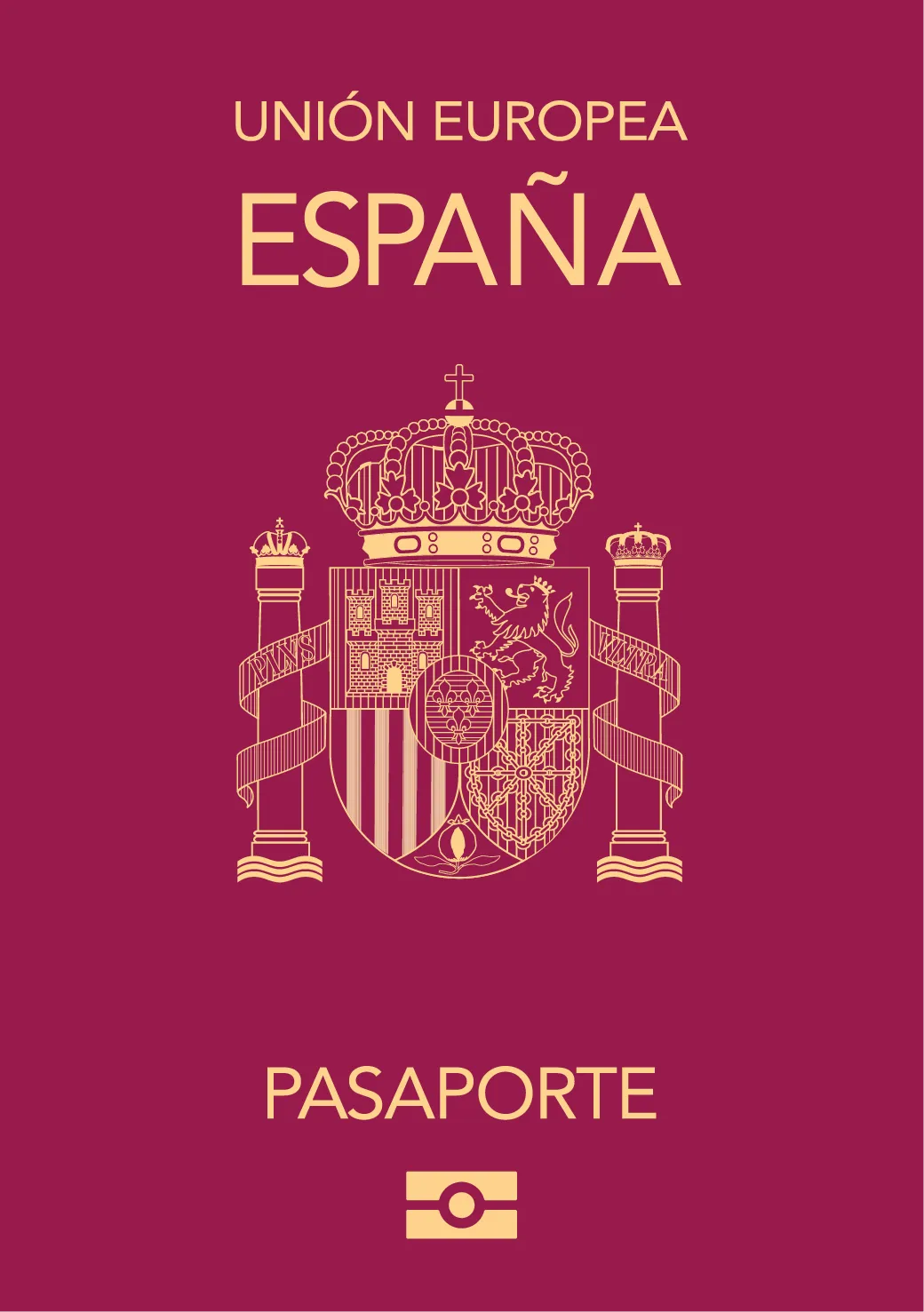
Spain has issued biometric ePassports since August 2006. The contactless chip stores the holder's photo and personal details and is read directly by e-gates at Madrid-Barajas, the wider Schengen Area, and the 's (Entry/Exit System), the biometric border-record platform that records non-EU arrivals. Layered security printing keeps refusal rates low.
The real strength is not the travel count but the legal status behind it. A Spanish passport is an EU (European Union) passport, so the holder can move to any of the other 26 member states and start work the next day with no visa, quota, or sponsor. Few documents outside the bloc carry that right.