WORLDPATHWORLDPATH•AI
Europe

Greece Passport

Ranked #5 Globally

Explore the Greece passport strength, visa-free access to 184 destinations, and global mobility ranking.

5th
Current Ranking
184
Destinations
90
Mobility Score
9th
Passport Power
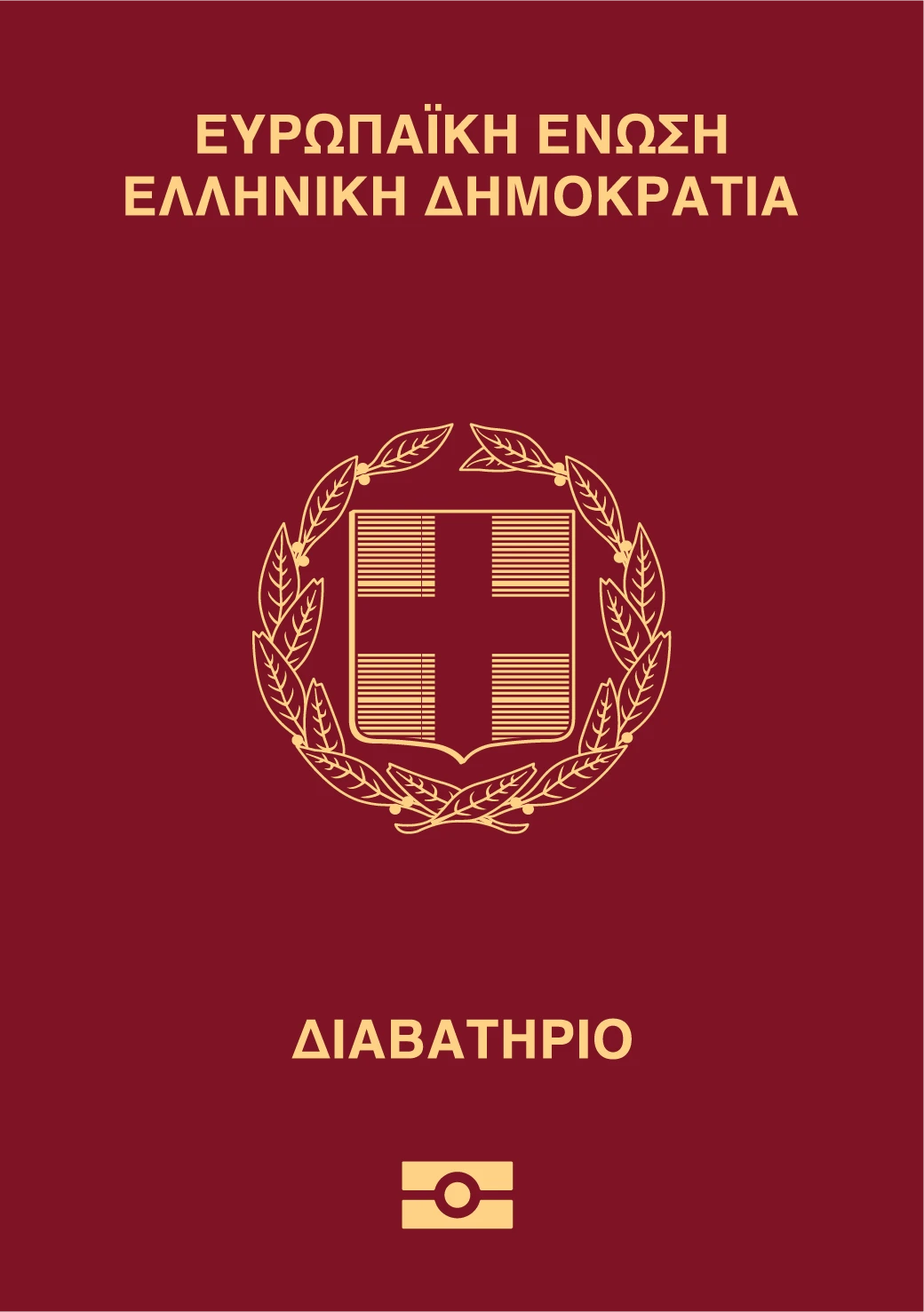
Greece Passport Cover

Geopolitical Value

As of 2026, the Greek passport ranks 5th globally on the Henley Passport Index with visa-free or visa-on-arrival access to 184 destinations — placing it among the most powerful travel documents on the planet, sharing 5th place with Austria, Malta, and Portugal. What makes the Greek passport strategically significant is not just its raw mobility score but its EU membership status: Greek citizens hold the full rights of European Union citizenship, including the right to live, work, study, and access healthcare in all 27 EU member states without restriction. This is a categorically different proposition from non-EU passports with comparable destination counts, because EU citizenship confers permanent, treaty-backed rights rather than diplomatic courtesies. The passport's strength is structurally anchored — EU membership means Greece's visa-free access is governed by the bloc's collective diplomatic weight, making it one of the most geopolitically stable passports available.

Practical Advantages

Greek passport holders enjoy unrestricted access to all 27 Schengen Area countries for unlimited duration as EU citizens — not the 90/180 tourist rule that applies to non-EU visitors. They have the right to work and reside in Germany, France, the Netherlands, and every other EU member state without permits. For non-EU destinations, Greek citizens benefit from visa-free entry to the United States for up to 90 days under the Visa Waiver Program, Canada for up to 6 months, the United Kingdom for up to 6 months, Australia (eVisitor, no fee), Japan, Singapore, South Korea, and virtually all of Latin America and the Caribbean. China, India, and Russia require visas for Greek citizens. The combination of US Visa Waiver eligibility and full EU internal mobility makes the Greek passport one of the most comprehensively functional documents for global business travel.

Acquisition Pathways

Greek citizenship is acquired primarily through descent, birth, or naturalization — Greece does not operate a citizenship by investment program. Naturalization requires 7 years of legal continuous residence in Greece for most applicants, or 3 years for nationals of Greek descent, spouses of Greek citizens, or recognized political refugees. The cost picture for the residency-to-citizenship pathway is substantial: the Greek Golden Visa (the primary residency route for non-EU investors) requires a minimum real estate investment of €800,000 in high-demand zones (Attica, Thessaloniki, Mykonos, Santorini) or €400,000 elsewhere. Government processing fees for the Golden Visa run approximately €2,000 for the initial 5-year permit. Legal and agent fees typically total €8,000–€15,000. After maintaining residency for 7 years with physical presence of at least 183 days per year, naturalization fees add a further €700. The realistic all-in cost for a single investor reaching citizenship via the Golden Visa route is €820,000–€835,000 including the property investment, fees, and legal costs.

Value Assessment

The Greek passport's value proposition must be assessed as an EU citizenship instrument rather than a standalone document. Against direct CBI comparators, Malta's Exceptional Investor Naturalisation (MEIN) program delivers EU citizenship in 12–36 months for a minimum outlay of €750,000 in non-refundable contributions plus €700,000 in real estate — a faster but significantly more expensive route to the same EU citizenship. Portugal's Golden Visa formerly offered a €500,000 route to citizenship after 5 years, but real estate investment options have been discontinued; investment fund routes remain at €500,000. Cyprus no longer operates a CBI program. Greece's Golden Visa stands out for one specific advantage over Malta and Portugal: the real estate investment is retained as an asset (not donated), making the net cost substantially lower when the property appreciates at Greece's current 8% annual rate. For investors who want EU citizenship as the endpoint and are willing to hold a Greek property for 7+ years, the return on the real estate component can meaningfully offset the path cost.

Dual Citizenship

Greece officially permits dual citizenship and does not require renunciation of existing nationality upon acquiring Greek citizenship. Greek nationals who naturalize in a foreign country also retain Greek citizenship unless they formally renounce it through the Greek consulate. For US nationals, the United States permits dual citizenship — holding both passports creates no legal conflict. UK nationals similarly face no restrictions post-Brexit. EU nationals naturalizing in Greece gain a second EU citizenship, which is legally recognized across the EU without limitation. Indian nationals should note that India does not recognize dual citizenship; acquiring Greek citizenship would require surrendering the Indian passport, though OCI status remains available as a partial alternative. Chinese nationals acquiring Greek citizenship technically trigger automatic loss of Chinese nationality under Chinese law, though enforcement is inconsistent — legal counsel is essential before proceeding.

Final Assessment

The Greek passport is the strategic choice for investors who want EU citizenship as a permanent, generational asset with structural geopolitical backing. Its ideal holder profile includes non-EU investors seeking unconditional right-to-work and right-to-reside across all 27 EU member states, families prioritizing European education access and healthcare rights for dependents, high-net-worth individuals from non-Visa Waiver countries (India, China, Nigeria, Pakistan) who want US and UK visa-free access alongside EU mobility, and property investors who view Greek real estate as an appreciating asset rather than a sunk cost. Compared to Malta (faster EU citizenship but higher net cost, no asset retention), Portugal (no real estate route, fund-only investment), and Caribbean CBI programs (stronger mobility-per-dollar ratio but no EU citizenship rights), Greece offers the most defensible long-term value for investors who combine residency lifestyle with citizenship as the endpoint.

Frequently Asked Questions