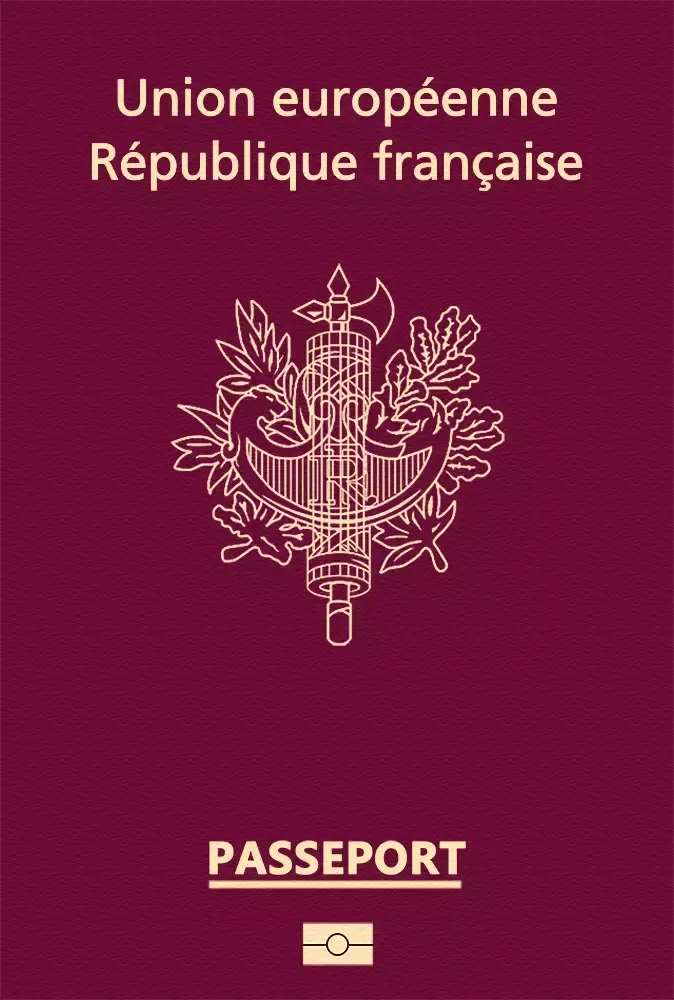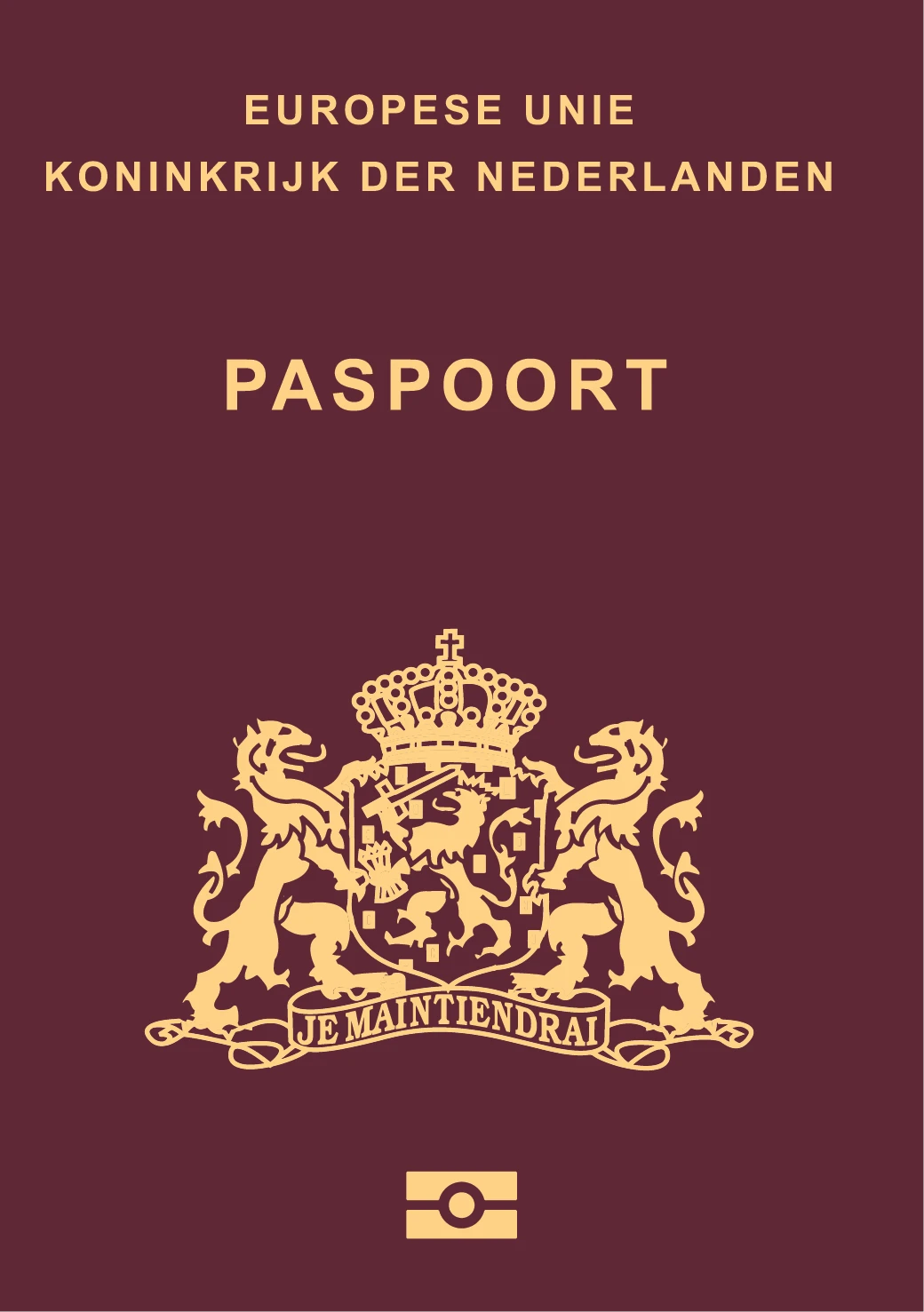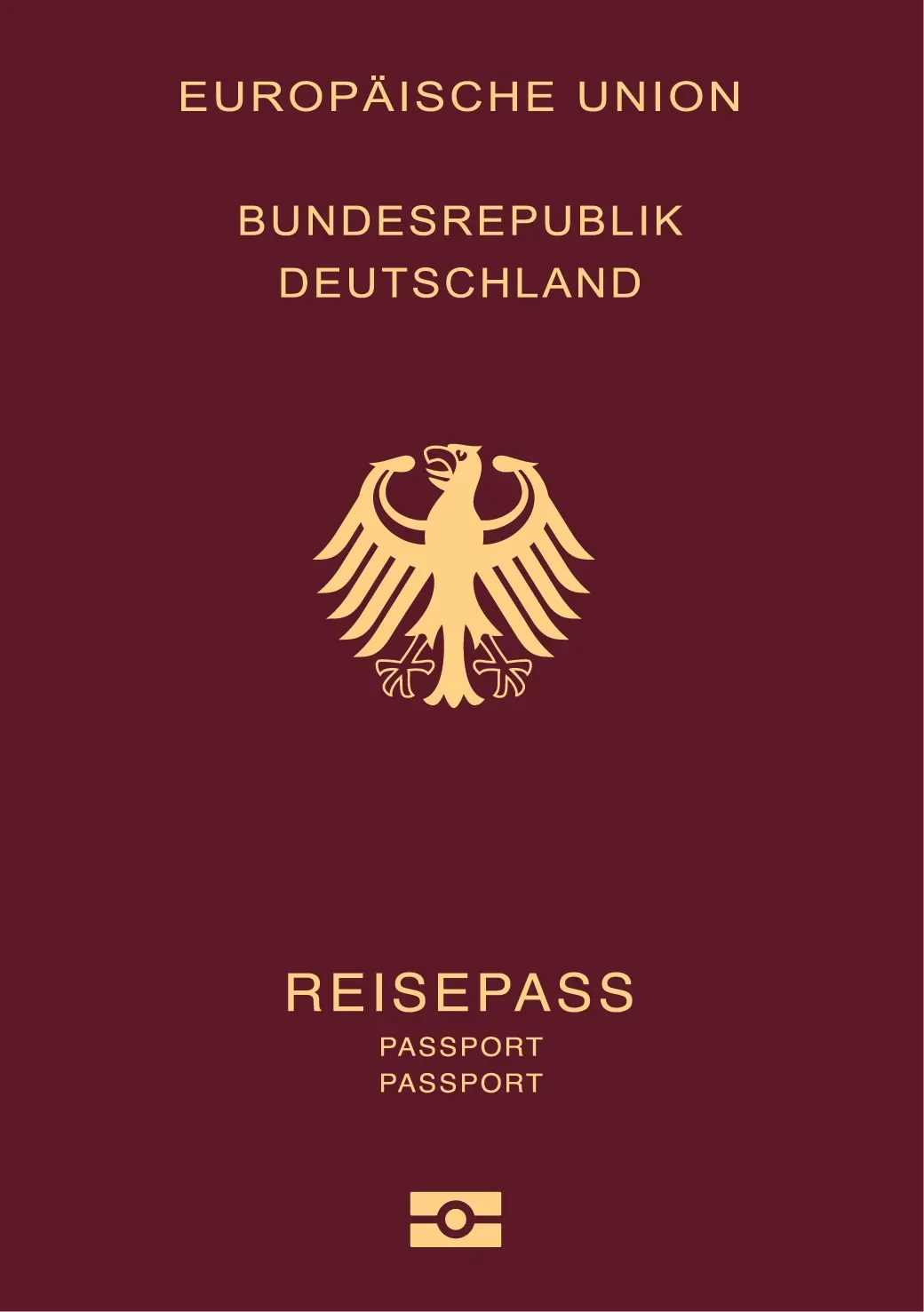
The Germany passport draws its strength from three pillars: top-tier mobility, full (European Union) rights, and a high-trust standing as a (Group of Seven leading industrial democracies) member. In 2026 it ranks #4 worldwide and opens 185 destinations, one tier below Singapore.
The travel reach is built on Germany's place at the heart of the European single market. As a founding member of the EU, Germany joined the 1957 Treaty of Rome project, and a German citizen carries automatic free movement across the 27 EU member states — the right to live, work, and study without a permit.
On the security side, Germany has been a (North Atlantic Treaty Organization) member since 1955 and the largest contributor to the EU budget. That standing means receiving countries — the United States through its Visa Waiver Program, Canada through its electronic travel authorisation, and Japan and South Korea visa-free — treat Germans as low-risk visitors.
The document is among the most secure in circulation. It has carried a contactless biometric chip since 1 November 2005 and a polycarbonate (rigid plastic) data page since 1 March 2017 that is harder to forge than older booklets. The chip follows the (International Civil Aviation Organization) 9303 standard used at airport e-gates.