WORLDPATHWORLDPATH•AI
Europe

Hungary Passport

Ranked #6 Globally

Explore the Hungary passport strength, visa-free access to 183 destinations, and global mobility ranking.

6th
Current Ranking
183
Destinations
82
Mobility Score
15th
Passport Power
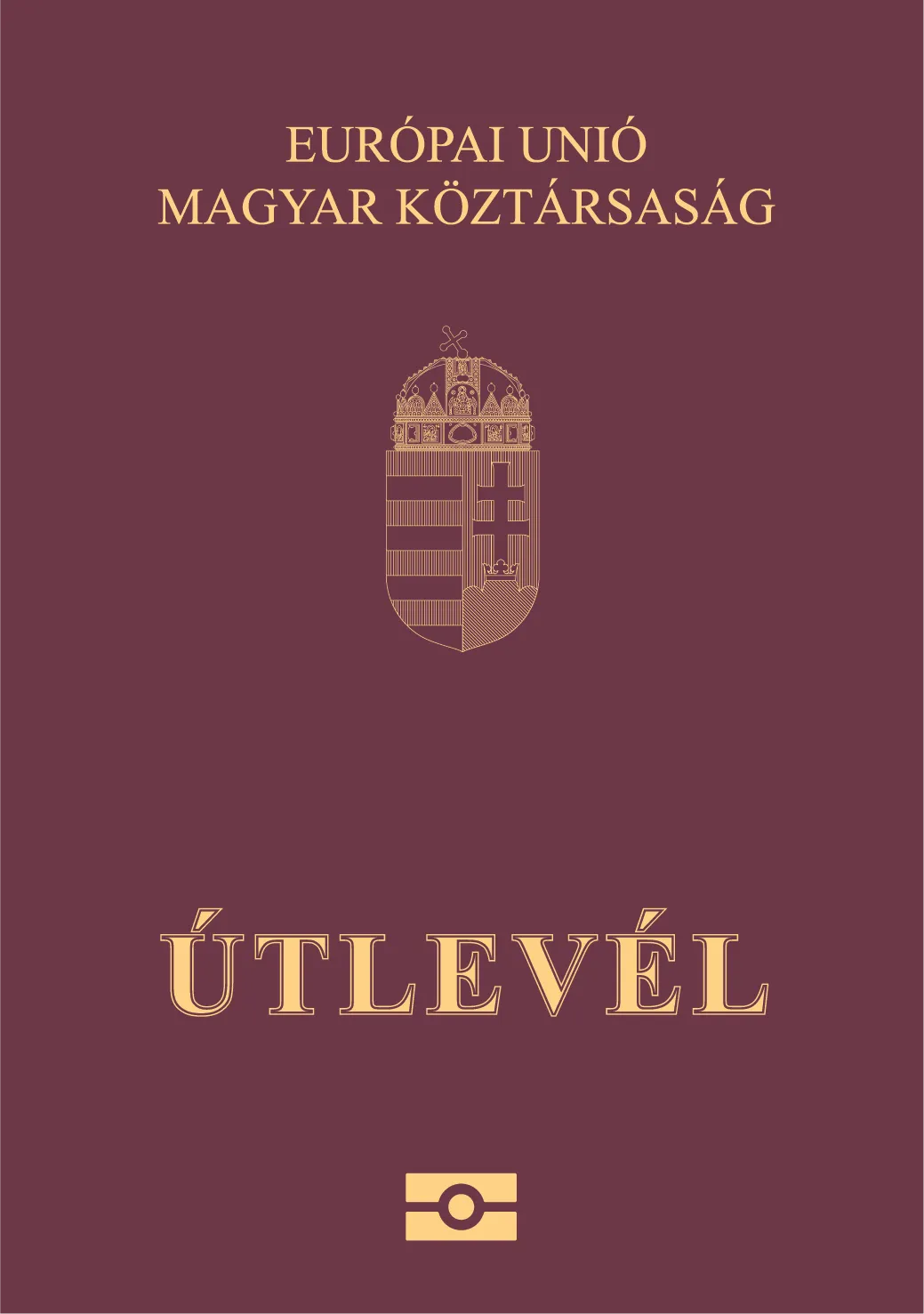
Hungary Passport Cover

Geopolitical Value

The Hungarian passport ranks 6th on the Passport Index, sharing that position with Croatia, the Czech Republic, Estonia, Malta, New Zealand, and Poland, with access to 183 visa-free or visa-on-arrival destinations. This places it firmly in the global elite tier — ahead of Australia (182), New Zealand (182), the United Kingdom (182), and the United States (179). Hungary is a full European Union member, a NATO ally, and a Schengen signatory, which means the Hungarian passport provides the complete package of Western institutional backing that no citizenship-by-investment programme from a non-EU country can replicate. The document has demonstrated a stable trajectory over the past decade, maintaining consistent top-10 positioning as EU membership drives reciprocal access agreements with Asia, Latin America, and Africa.

Practical Advantages

Hungarian passport holders enjoy essentially unrestricted movement across the developed world. The Schengen Area — 26 European countries — is fully accessible for unlimited stays as an EU citizen. Holders can live and work permanently in all 27 EU member states without restriction under EU freedom of movement. In Asia, visa-free access includes Japan, South Korea, Singapore, Malaysia, Thailand, the Philippines, Indonesia, and China (a significant recent addition, following Hungary-China diplomatic agreements). In the Americas, the United States, Canada, Mexico, Brazil, Argentina, Chile, Colombia, and the entire Caribbean are accessible without prior visa requirements. Australia and New Zealand are also visa-free.

For investors and business operators, full EU citizenship means that the Hungarian passport enables unrestricted establishment of businesses, purchase of property, and employment across all 27 EU member states — a mobility breadth that no Caribbean or Middle Eastern CBI programme can match.

Acquisition Pathways

Hungarian citizenship can be acquired through three primary routes. The naturalisation pathway requires eight years of continuous lawful residence (including a prior five-year long-term residence status) and a Hungarian cultural knowledge exam — making it one of the longer EU naturalisation timelines. The ancestry pathway offers accelerated naturalisation for individuals who can demonstrate Hungarian heritage (parents, grandparents), with no residency requirement, but language and cultural knowledge requirements. The Guest Investor Programme pathway provides the entry point — a €250,000 fund investment unlocks a 10-year residence permit, which eventually contributes to the 13-year path to citizenship eligibility.

Full cost breakdown for the Guest Investor route to residence: €250,000 fund investment (held five years) + government application fees, approximately €300 + legal and processing fees, €3,000 to €5,000 + address proof (rental: approximately €600 to €1,000 for the period) = total realistic all-in cost of approximately €256,000 to €258,000 for a single applicant. Citizenship itself, when eventually pursued via naturalisation, adds exam preparation costs and standard administrative fees.

Value Assessment

The Hungarian passport's investment case differs fundamentally from Caribbean and Middle Eastern alternatives. It is not an acquisition asset — it is the result of an 8 to 13-year EU residency commitment. The Guest Investor Programme grants residency, not citizenship, and the passport itself is only accessible through naturalisation. For investors assessing return on mobility, the Hungarian passport at rank 5 globally provides access to 184 destinations — materially stronger than St. Kitts and Nevis (155), Grenada (147), Malta (185, only marginally stronger), or Portugal (184, same tier). Against Caribbean alternatives, the Hungarian passport includes Schengen, EU work rights, and China access — a combination no Caribbean passport delivers. Against Portugal's Golden Visa (fund investment required, 5-year citizenship track), Hungary requires a longer residence commitment but at a lower entry cost (€250,000 versus Portugal's fund minimums of €500,000).

Dual Citizenship

Hungary fully permits dual and multiple citizenship under the 2011 Hungarian Citizenship Act. There are no restrictions, reporting obligations, or renunciation requirements. US nationals, UK nationals, and all EU nationals can acquire Hungarian citizenship without affecting their existing passport. The ancestry route is popular among the Hungarian diaspora in Romania, Slovakia, Ukraine, and Serbia — many of whom hold dual citizenship. Germany's modernized Citizenship Act (effective June 27, 2024) now permits dual citizenship for all naturalization applicants, making the Hungary–Germany combination accessible without restriction for the first time.

Final Assessment

The Hungarian passport is among the most strategically valuable documents in the world — not as a fast-acquisition CBI product, but as the eventual prize of an EU residency commitment. Its ideal acquirer is the investor or entrepreneur who values EU citizenship, full Schengen mobility, unrestricted access to EU labour and real estate markets, and a low-tax Central European base. Compared to Malta's citizenship programme (€600,000+ donation plus residency commitment, with ECJ scrutiny), Hungary's path is lower in cost but longer in time. Compared to Portugal's Golden Visa (same passport tier at rank 5, shorter naturalisation at five years, higher fund minimums), Hungary offers a lower entry point with a longer naturalisation horizon. For investors seeking the world's strongest passport tier at the lowest entry cost, Hungary is the answer — for those needing EU citizenship within five years, Portugal remains the faster route.

Frequently Asked Questions

Verified by

Sarah Mitchell
Senior Immigration Advisor
at WorldPath AI