Geopolitical Value
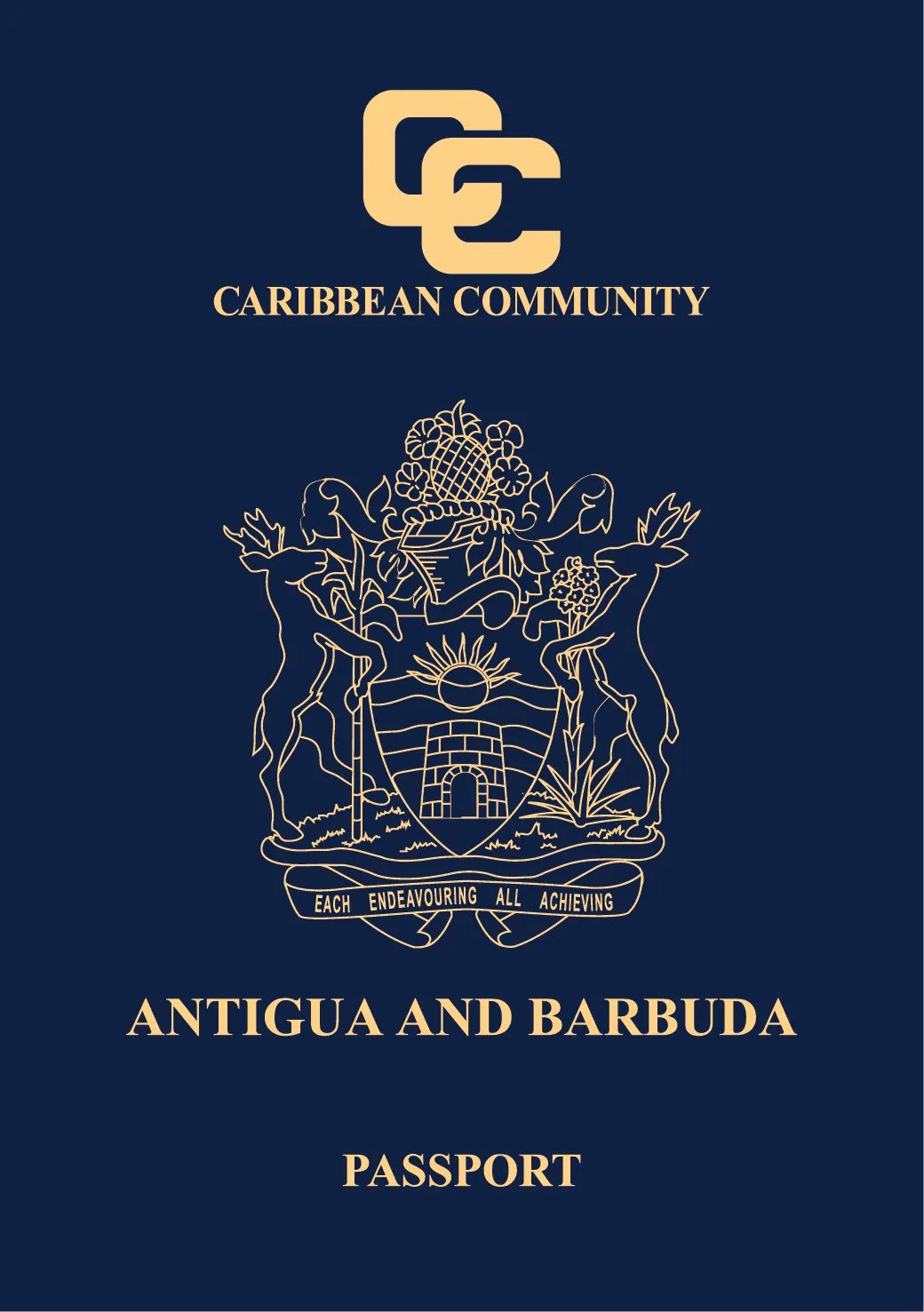
As of 2026, the Antigua and Barbuda passport ranks 22nd on the Henley Passport Index, granting visa-free or visa-on-arrival access to 154 destinations — a position that comfortably outperforms most emerging-market passports and rivals several EU member-state documents. For a twin-island nation of 93,000 people, this ranking reflects decades of active bilateral diplomacy and the credibility Antigua and Barbuda has built through its Citizenship by Investment Programme, established in 2013. The passport has climbed steadily over the past decade, driven primarily by expanded access to the Caribbean Community, stronger relations with the Schengen Area, and a growing number of bilateral agreements negotiated through CARICOM channels. Its trajectory is stable and modestly upward, making it a reliable long-term mobility instrument rather than a speculative bet on diplomatic shifts.
Practical Advantages
Antigua and Barbuda passport holders travel visa-free or visa-on-arrival to all 27 Schengen Area countries for stays of up to 90 days within any 180 days, the United Kingdom for up to six months, Singapore, Hong Kong, Malaysia, Brazil, and the entire Caribbean Community. The passport's 22nd position places it ahead of many EU member states and reflects sustained diplomatic momentum. Business travelers benefit from seamless access to major European financial and commercial centers — Frankfurt, Amsterdam, Zurich, and London — without visa appointment delays. The passport also provides access to approximately 60 countries in Africa, Latin America, and Asia through visa-on-arrival or electronic travel authorization, significantly reducing pre-trip administrative friction for globally mobile professionals.
It is important to state clearly that the Antigua and Barbuda passport does not include: visa-free access to the United States, Canada, Australia, Japan, or mainland China. Holders require standard tourist or business visas for these destinations. Critically, Antigua and Barbuda does not hold a bilateral E-2 Investment Treaty with the United States, meaning US business residency through that route is unavailable — a meaningful distinction from neighbouring Grenada and Dominica, both of which offer E-2 eligibility. For investors whose primary objective is US market access, this gap should be a key decision factor.
Acquisition Pathways
Antigua and Barbuda's Citizenship by Investment Programme (CIP) is administered by the Citizenship by Investment Unit (CIU) and offers four investment routes. The National Development Fund (NDF) contribution requires a non-refundable donation of $230,000 for a single applicant or a family of up to four, making it the lowest-cost entry point in the programme. A University of the West Indies Fund option allows a family of six or more to contribute $260,000, with one family member receiving a full scholarship. The real estate route requires a minimum $300,000 investment in a government-approved project, held for a minimum of five years. A business investment route requires $1.5 million in a qualifying enterprise.
The full cost picture extends beyond base investment: due diligence fees run $7,500 per adult aged 18 and over and $2,000 per dependent aged 12 to 17, application fees are $250 per person, processing fees are $30,000 for a family of up to four, and legal and agent representation typically adds $15,000 to $25,000. For a single applicant via the NDF route, the realistic all-in cost is $270,000 to $285,000. For a family of four, total costs reach $300,000 to $320,000 when due diligence, processing, and legal fees are included.
Value Assessment
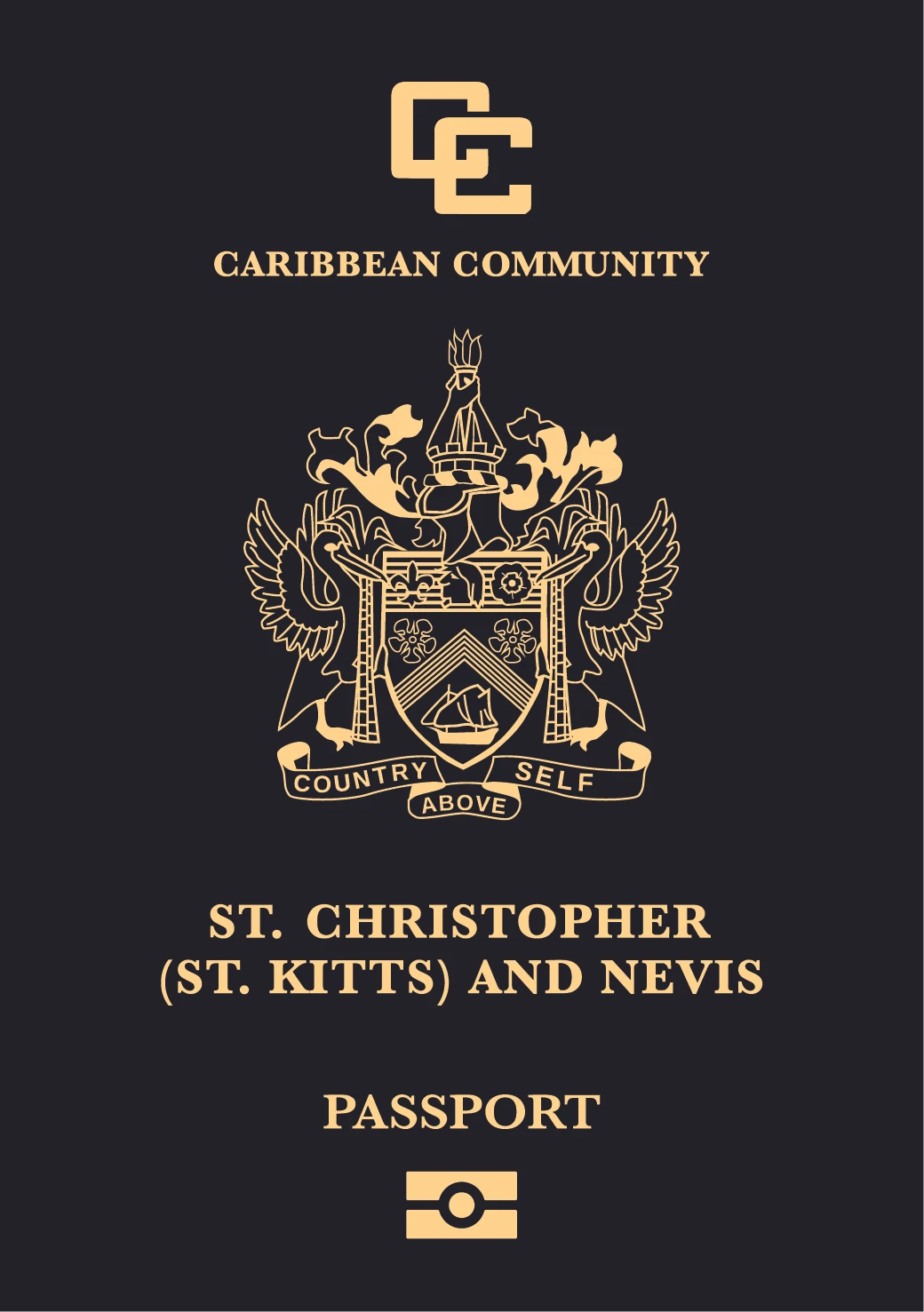
The Antigua and Barbuda passport must be weighed against its Caribbean CBI peers on a clear cost-per-outcome basis. Dominica offers a lower donation threshold at $100,000 for a single applicant, but delivers fewer visa-free destinations at approximately 145, and no access to China. Grenada is priced comparably at $235,000 NTF but provides 147 destinations plus US E-2 Treaty eligibility and visa-free China access — making it strategically superior for investors prioritizing US or Asia business access. Saint Kitts and Nevis requires $250,000 and delivers 156 destinations, a stronger passport ranking at 24th globally, but again without E-2 access.
Where Antigua and Barbuda stands out is cost efficiency relative to visa-free count: at 154 destinations for $230,000, the cost per visa-free destination of approximately $1,494 via the NDF route is among the most competitive in the Caribbean. It also holds a meaningful advantage for families: the UWI Fund option at $260,000 for families of six or more, with a full scholarship included, represents genuine added value for education-focused investors. For applicants who do not require US E-2 access or China travel and prioritize European and Caribbean mobility at competitive cost, Antigua and Barbuda delivers a well-rounded proposition.
Dual Citizenship
Antigua and Barbuda fully permits dual and multiple citizenship under the Antigua and Barbuda Citizenship Act of 1984 (as amended). There are no restrictions, reporting requirements, or prohibitions on holding Antiguan and Barbudan citizenship alongside any other nationality under domestic law. US, UK, and EU nationals can acquire citizenship through the CIP without any impact on their existing passports. For Indian nationals, the same constraint applies as with all Caribbean programmes: India does not recognize dual citizenship, so acquiring Antiguan nationality would require surrendering the Indian passport, though Overseas Citizen of India (OCI) status remains available as a partial substitute. Nationals of China, the UAE, and Saudi Arabia should verify their home country's position before proceeding, as those jurisdictions may automatically revoke original nationality upon acquisition of a second citizenship. There is no oath of renunciation required under Antiguian law.
Final Assessment
The Antigua and Barbuda passport is best suited for investors seeking strong European and Caribbean mobility at a competitive price point, without the need for US E-2 Treaty access or China visa-free travel. Its ideal holder profile includes individuals from emerging markets — particularly Nigeria, Pakistan, Lebanon, and parts of the Gulf — who require frictionless Schengen and UK access for business and personal travel; families of six or more who can extract additional value through the UWI scholarship option; retirees and lifestyle-focused investors who value Caribbean mobility and a zero-personal-income-tax jurisdiction; and investors who view second citizenship primarily as a geopolitical and travel insurance instrument rather than a US market access tool.
Compared to Grenada (E-2 access but slightly fewer destinations), Saint Kitts and Nevis (stronger passport but higher cost), and Dominica (lower cost but weaker passport), Antigua and Barbuda positions itself as the balanced mid-tier option: competitive pricing, solid destination count, and reliable programme governance. For applicants who specifically need E-2 or China access, Grenada is the superior choice. For all others evaluating Caribbean CBI purely on mobility value and cost, Antigua and Barbuda holds its own convincingly.